
Proforma Invoice: Meaning and When to Use One
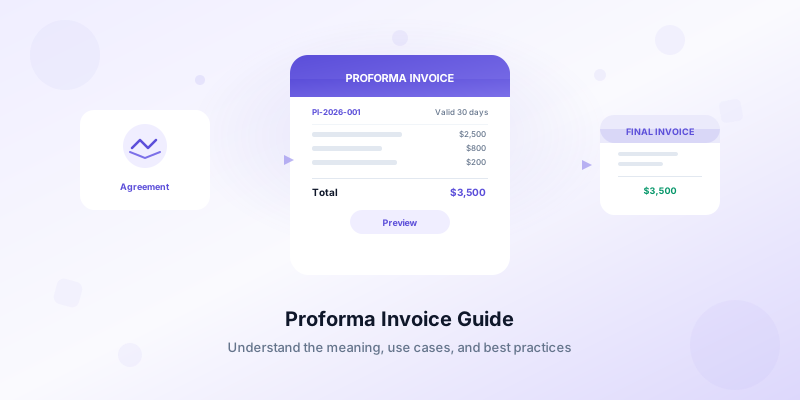
If you have ever been asked to send a proforma invoice and weren't sure what it meant, you are not alone. Understanding the proforma invoice meaning and use is essential for any freelancer, contractor, or small business owner who deals with new clients, international sales, or project-based work. A proforma invoice is a preliminary document you send before delivering goods or completing services. It outlines what the buyer will owe, but it is not a demand for payment.
Think of it as a formal price quote dressed in invoice format. It sets expectations, builds trust, and gives both sides a clear reference point before any money changes hands.
What Is a Proforma Invoice?
A proforma invoice is a document that describes a planned transaction before it happens. It lists the products or services you intend to provide, the quantities, prices, and total cost — just like a regular invoice. The key difference is timing. A proforma invoice goes out before the work starts or the goods ship, while a standard invoice goes out after delivery.
The word "proforma" comes from Latin and roughly translates to "as a matter of form." That tells you exactly what this document is: a formal preview of the final bill. It carries no legal obligation to pay. Instead, it serves as a written agreement on scope and pricing that both parties can reference.
Here is a quick example. A web designer agrees to build a five-page website for $3,500. Before starting, they send a proforma invoice listing the project scope, deliverables, timeline, and the $3,500 total. The client reviews it, confirms the details, and the designer begins work. Once the project is done, the designer sends a final invoice requesting payment.
When to Send a Proforma Invoice
Proforma invoices are useful in several common business situations. Knowing when to send one saves you from pricing disputes and miscommunication.
Before starting a new project. When you take on a new client or a large project, a proforma invoice confirms the agreed scope and cost in writing. This is especially important for projects over $1,000 where misunderstandings can be expensive.
For international transactions. Customs authorities in many countries require a proforma invoice to process imports. The document helps customs determine duties, taxes, and whether the goods meet import regulations. If you sell products across borders, proforma invoices are often mandatory.
When a client requests a cost estimate in invoice format. Some companies need a formal document for internal approval before they can authorize a purchase. A proforma invoice gives their finance team the structured format they need to release funds.
Before requesting a deposit. If you collect a deposit before starting work, a proforma invoice outlines the full project cost and specifies the deposit amount. This is common in construction, event planning, and custom manufacturing.
When pricing may change. A proforma invoice can include an expiration date. For example, you might note that the quoted price is valid for 30 days. After that, you reserve the right to adjust pricing based on material costs or market changes.
Proforma Invoice vs Standard Invoice vs Estimate
People often confuse proforma invoices with standard invoices and estimates. Here is how they differ.
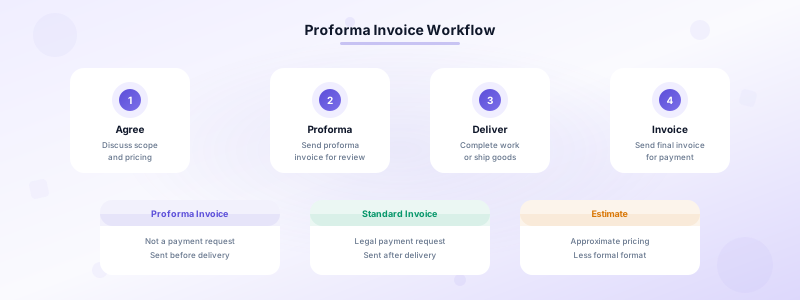
A proforma invoice is a preliminary bill that describes a future transaction. It is not a payment request. It shows the buyer what to expect and is commonly used for customs, internal approvals, or pre-project agreements.
A standard invoice is the actual payment request you send after delivering goods or completing services. It creates a legal obligation for the buyer to pay. When you create a professional invoice, you are issuing this type of document.
An estimate is a less formal price projection. It gives the client a rough idea of what the work will cost. Unlike a proforma invoice, an estimate doesn't always include detailed line items or formal terms. For a deeper comparison, check out our guide on estimate vs invoice differences.
The simplest way to remember the distinction: an estimate is a ballpark, a proforma invoice is a firm preview, and a standard invoice is the bill.
What to Include on a Proforma Invoice
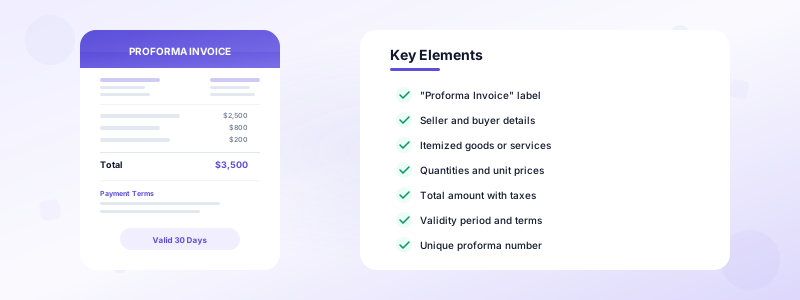
A well-structured proforma invoice contains nearly the same elements as a standard invoice. Include the following:
- Your business name and contact information. Name, address, phone number, and email.
- Client's business name and contact details. Same information for the buyer.
- Document label. Clearly mark it "Proforma Invoice" so no one mistakes it for a payment request.
- Proforma invoice number. Use a separate numbering sequence from your regular invoices. Something like
PI-2026-001keeps things organized. - Date and validity period. Include the issue date and how long the pricing is valid (for example, 30 days).
- Itemized list of goods or services. Describe each line item with quantity, unit price, and subtotal.
- Total amount. Show the full cost, including taxes, shipping, or any other fees.
- Payment terms. Specify when and how payment will be expected once the final invoice is issued. Reference invoice vs receipt differences to understand how proforma invoices fit into the full billing cycle.
- Notes or conditions. Add any relevant details about delivery timelines, warranty terms, or scope limitations.
The more detail you include, the fewer questions your client will have. A thorough proforma invoice reduces back-and-forth and speeds up the approval process.
How to Create and Send a Proforma Invoice
Creating a proforma invoice follows the same basic process as building any professional invoice. The difference is in the label and the timing.
Step 1: Gather project details. Confirm the scope, pricing, and timeline with your client before you create the document. A proforma invoice should reflect what both parties have already discussed.
Step 2: Build the document. Use a tool that lets you add line items, client details, and payment terms quickly. Invoices Customers makes this easy — you can create a detailed invoice on your iPhone in under a minute, save your client's information for future use, and generate a polished PDF to send or print.
Step 3: Label it clearly. Make sure the document says "Proforma Invoice" at the top. This prevents the client from treating it as a final bill and avoids accounting confusion on both sides.
Step 4: Send it for review. Share the proforma invoice via email or messaging before you begin work. Give the client time to review the details and ask questions. Once they confirm, you have a written reference for the agreed terms.
Step 5: Issue the final invoice. After you deliver the goods or complete the services, send a standard invoice referencing the proforma invoice number. This connects the two documents and makes your billing trail clear.
Start Using Proforma Invoices in Your Business
Now that you understand the proforma invoice meaning and use, you can start applying it to your own workflow. Use proforma invoices to lock in pricing with new clients, satisfy customs requirements for international orders, or give corporate buyers the formal documentation they need for internal approvals.
The key is to treat every proforma invoice as a professional document. Include detailed line items, clear terms, and a validity date. Then follow up with a standard invoice once the work is done.
Download Invoices Customers to create professional proforma invoices and standard invoices from your iPhone. No account needed, no learning curve, and your data stays on your device. You can go from blank screen to a polished PDF in seconds — so you spend less time on paperwork and more time growing your business.
